For Kiwi shoppers looking to purchase their next kitchen appliance, there’s a lot to consider. Between AI-assisted blenders, standard blenders, single-serve blenders, and food processors, the choices can be overwhelming. We explain the pros and cons of food processors, blenders, and even all-in-one mixers to help you decide. In this blog, we review premium models from Sunbeam and Kenwood for NZ consumers and debate whether you should get a food processor or blender for your kitchen.
Today’s AI-assisted blenders use presets, load detection, adaptive blending programmes and app-linked features to make drinks and soups more consistent with less guesswork. Food processors, meanwhile, haven’t gone anywhere. They remain the better choice when your kitchen work is more about chopping onions, grating cheese, slicing veg, making pastry or handling drier textures that need sharp blades and a wider work bowl.
For New Zealand shoppers, the question is not which appliance sounds more advanced. It is which one will actually earn bench space, handle your weekly cooking habits and match the price you are willing to pay locally.
Blenders
Standard Blenders
Traditional or standard blenders have been hailed as a compact solution for modern kitchens. They are suitable for crushing ice, making smoothies, and feature a pulse function. They also come with a secure lid that’s easy to remove.
|
Pros of a standard blender
|
Cons of a standard blender
|
| It has a large capacity for smoothies and soups |
They don’t knead dough, mash potatoes, grind nuts, make nut butters, chop vegetables or finely chop breadcrumbs
|
|
Standard or traditional blenders can emulsify mayo, puree soup, make smoothies and blend frozen drinks and cocktails
|
They may not be able to manage smoothies that are not chunky or blend fibrous, leafy vegetables very well
|
| They are cheaper compared to processors |
They can be noisy
|
These ‘cons’ may not necessarily be deal-breakers for many NZ shoppers, based on their lifestyle, budget, and needs. For example, if you don’t knead dough or make nut butters, then a traditional blender may do the job for you.
AI-assisted or High Performance Blenders
AI-assisted blenders are built around power, control and consistency. They rely on strong motors, preset programmes and smarter sensors so users can move from frozen fruit to nut butters or hot soup with fewer manual adjustments. Some models now use “self-detect” containers, built-in timers or adaptive speed programmes to respond to contents of the jug. They may also include tampers for nut butters and sorbets.
|
Pros of AI-assisted Blenders
|
Cons of AI-assisted Blenders
|
| They basically handle everything, from crushing ice, emulsifying dressings and mayonnaise, pureeing soup, making silky smooth smoothies, blending cocktails, and grinding nut butters. |
They cost more than a standard blender
|
|
They are durable compared to traditional blenders
|
They can be noisy
|
| They use fast spinning to heat raw veggies and liquids to a gentle temperature |
They can be limited compared to a food processor, when it comes to kneading dough or mashing potatoes or veggies
|
Single-serve blenders
Single-serve or personal blenders became popular when health and lifestyle trends took off. They are great for crushing ice, have a removable blade shaft and a secure, leak-free lid.
|
Pros of personal blenders
|
Cons of personal blenders
|
| They blend fruit and veggies to a liquid and let you drink on the go from the same bottle. You may need to add some water to help it blend smoothly |
They are not as powerful as high-performance or AI-assisted blenders
|
|
They help get wholefoods into diet in a drinkable form
They are an efficient way to get fruit and veg in kids’ diet
|
They typically operate on pulse function
The juice can be slightly warm after blending, so you may need to add ice cubes or frozen fruit when blending to avoid heating the smoothie
|
What to look for in a blender
To get the most out of your blender, pick one that suits your lifestyle and your kitchen. If you prefer pre-set programs and settings, an AI-assisted or high-performance blender will work well for you. If you make single-serve smoothies or drinks, a single blender is efficient.
Blenders are useful for smoothies, hot soups, fresh dressings, pancake batters, and crushing ice for summer beverages.
Food Processors
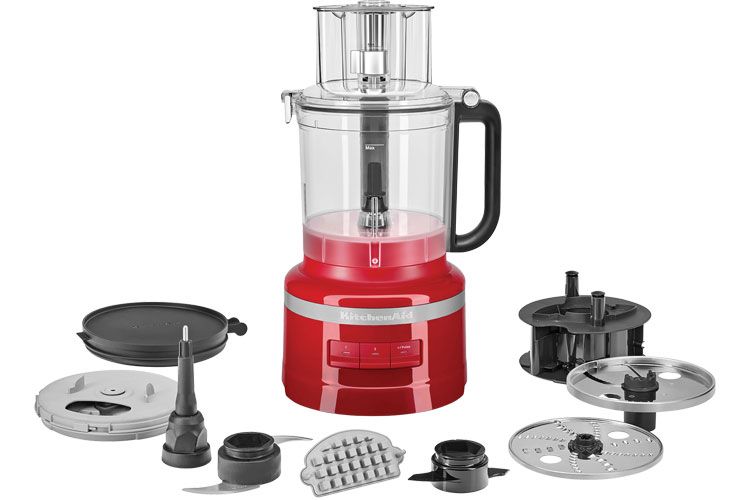
Food processors are a different kind of workhorse. Their sharper blades, wider bowls and accessory systems are better suited to chopping, shredding, slicing and mixing thicker ingredients, especially where liquid is limited. If a blender is good at creating a vortex, a food processor is good at moving ingredients through cutting discs and pulse blades without over-pureeing them. They have a small and large bowl capacity and storage for attachments. Most food processors will have adjustable slicing discs, a chip blade, two-size grating and shredding blades.
|
Pros of a food processor
|
Cons of a food processor
|
| They simplify labour intensive prep jobs |
They can be bulky, using up premium cupboard and benchtop space
|
|
They replace multiple kitchen appliances such as the grinder, mixer, mortar and pestle and the mandolin
|
They are not suitable for blending soups, cocktails or smoothies, unless they come with a separate attachment
|
| They are suitable for passionate home cooks and people looking to save time but make everything from scratch |
|
|
They help with prepping vegetables and fruits, so great option for vegans and vegetarians or families with different dietary habits
|
|
| They work well for making pastry and doughs, grating, shedding, and slicing fruits and vegetables and grating hard cheese. You can also comfortably make dips, paste, curry sauces, batters, and mayonnaise |
|
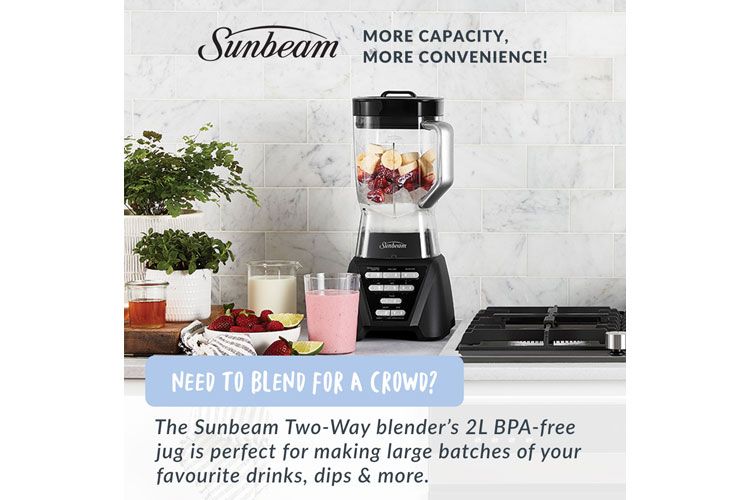
Sunbeam Two-Way Blender (PB8080K): Best for value-conscious blending
Best for: budget-conscious households that want strong everyday blending
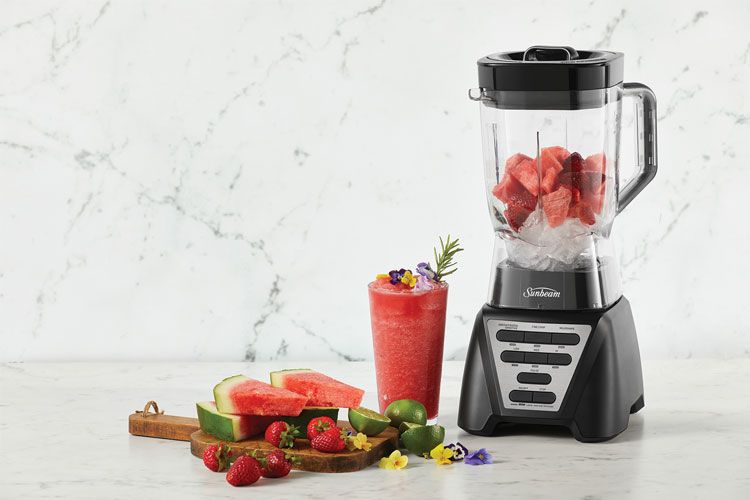
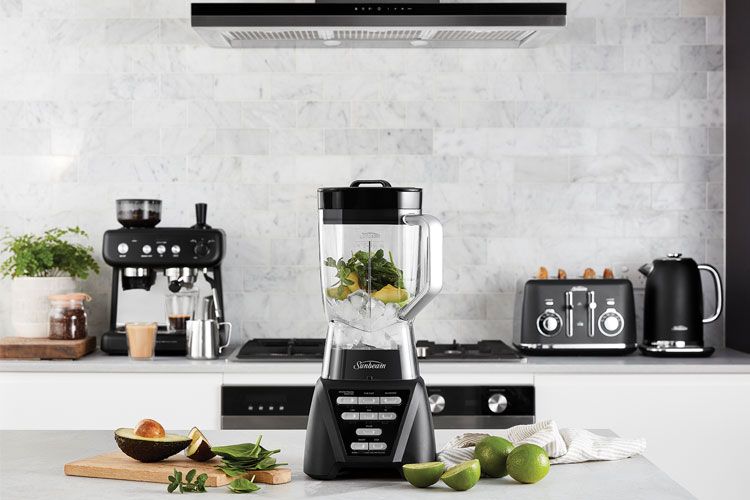
The Sunbeam Two-Way Blender is a useful benchmark for where the blender category sits in New Zealand. It offers 1100W power, 7 speeds, a 2-litre BPA-free jug, reversible two-way blade action, preset functions and an ice-crush mode.
That makes it a practical choice for families who want an affordable but capable blender for smoothies, milkshakes, salsa and soups. It is not trying to be a high-end “smart” blender, but it does show how much useful performance you can get before prices start climbing sharply.

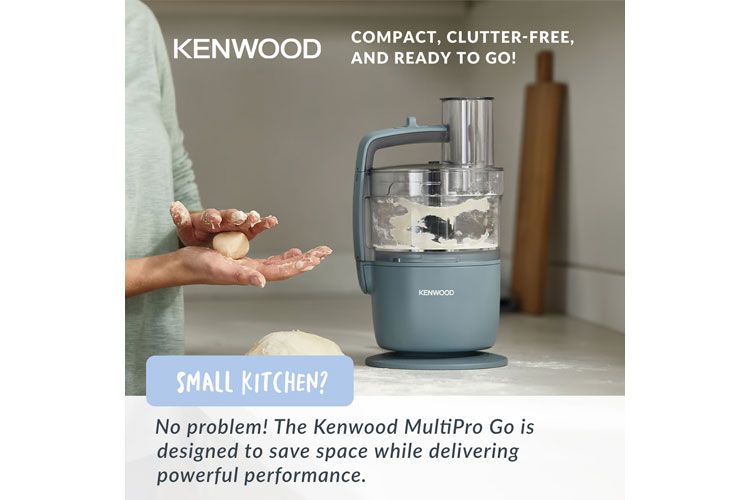
Kenwood MultiPro Go Food Processor (FDP22130GY) : Best for everyday food prep
Best for: home cooks, batch preppers and anyone who wants a lower-cost, more versatile prep appliance.
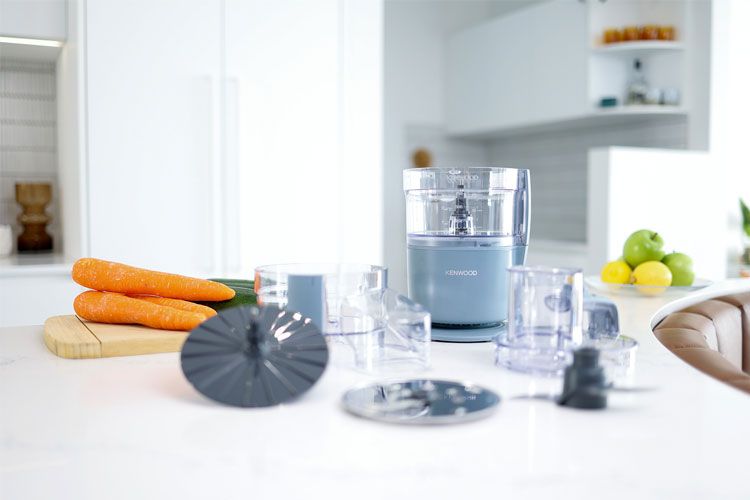
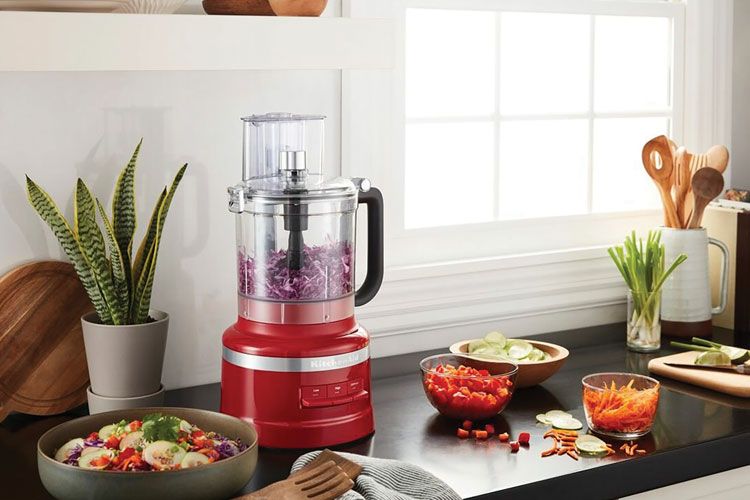
The Kenwood MultiPro Go Food Processor is a compact but powerful food processor with a 650W motor, a 1.3L bowl and a range of handy attachments. Its premium features include Reversible 4mm Slicing/Grating Disc and 360° Express serve™ that let you slice or grate directly into your bowl or pan, making meal prep convenient.
The smaller footprint of the food processor also suits kitchens where storage matters as much as power. If your weekly routine involves veg prep, dips, cheese, pastry or simple slicing, a processor like this often makes better use of bench space than a blender.

Food processor vs. Blender
When comparing food processors and blenders, it is vital that you consider how you will use the appliance in your kitchen. Understanding these differences can help you pick the right appliance for your kitchen.

That is why the right choice depends less on trendiness and more on task. A smoothie-heavy household is usually better off with a blender. A home cook who preps dinners from scratch, bakes regularly or wants a broader food prep tool will usually get more value from a processor.
Here is the practical takeaway:
- If you need one appliance mainly for smoothies, sauces and soups, the extra money for a better blender often makes sense.
- If you need broad food prep capability for everyday cooking, a food processor offers more functions per dollar.
Should you buy a food processor or blender?
Making a decision between a food processor or blender should not be tricky. It all comes down to the meals you cook and drinks you make or consume regularly. Based on your use, lifestyle, budget, and kitchen, you can decide which appliance works best for you.

Buying a food processor and blender combo
Should you get the best of both worlds and buy both appliances? For Kiwis who like to cook a variety of dishes, experiment or prepare large batches, having both appliances can be a huge help.
Having a food processor and blender combo is ideal if:
- If you regularly use recipes that need both smooth blending and chunky prep
- If you often batch prep meals for families and gatherings
- If you need an extra pair of hands in the kitchen
The smartest way to choose is to match the machine to the task you do most. If you mostly blend, then AI-assisted features are worth paying for because they reduce mess, improve consistency and simplify daily use. If you mostly prep ingredients, then a processor is the more flexible tool and usually the better value.
In New Zealand, both categories are easy to buy locally, but the price spread is wide enough to reward comparison shopping. Sunbeam and Kenwood offer a sensible starting point, while premium blender brands can climb much higher if you want top-tier performance and durability.
If you’re buying for smoothies, soups and one-touch convenience, AI-assisted blenders offer the best mix of speed and consistency. If you want chopping, slicing, grating and broader meal prep, food processors usually deliver better value in New Zealand homes.
CHECK WHERE TO BUY